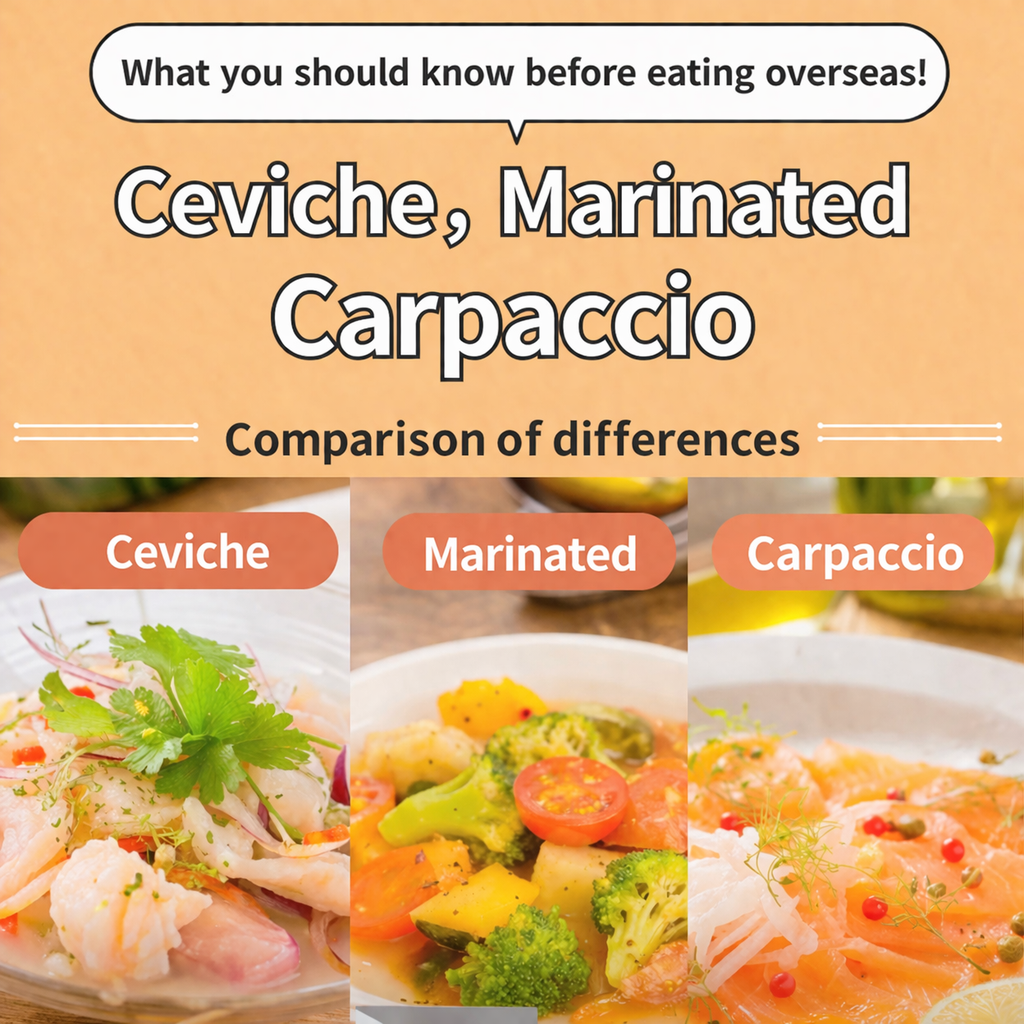


Ceviche, Marinade, or Carpaccio? A Complete Guide to Telling Them Apart Abroad
Ever found yourself at a restaurant while traveling and thought,
“Wait — is this ceviche? A marinade? Or carpaccio?”
They may look similar, but each one has a distinct preparation method, flavor, and texture.
In this article, we’ll break down the differences and help you enjoy each dish to the fullest — based on firsthand experience.
What Is Carpaccio? | Italy’s Classic Raw Meat & Fish Dish
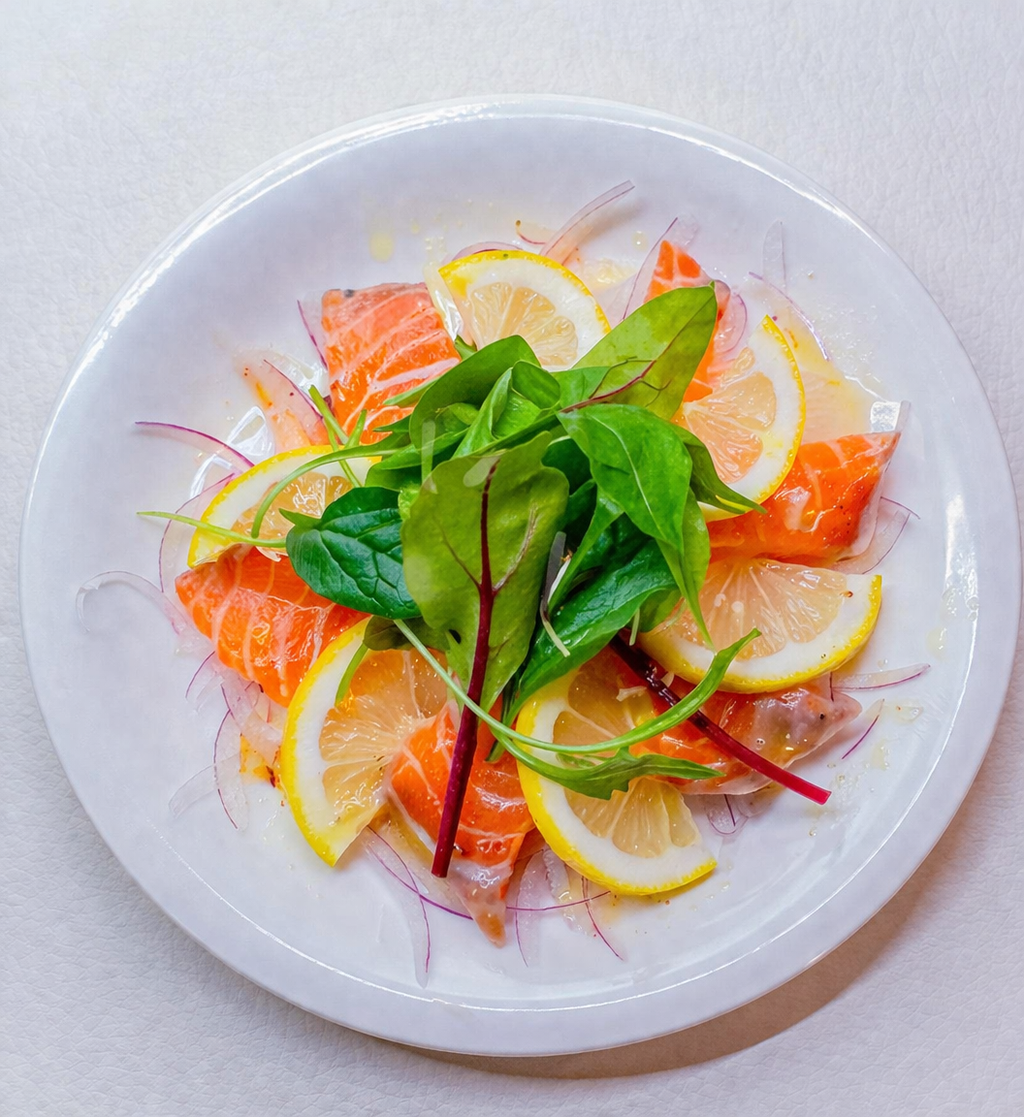
Let’s start with carpaccio. It’s a beautifully simple dish of thinly sliced raw meat or fish, drizzled with olive oil, lemon, salt, and pepper. Elegant and photogenic, it’s a staple at restaurants around the world.
You’ve probably seen it on menus plenty of times — but do you know where it actually comes from?
The History & Origins of Carpaccio

Carpaccio was created in the 1950s at Harry’s Bar in Venice, Italy, by owner Giuseppe Cipriani, who served thinly sliced raw beef to a customer on a doctor-restricted diet. The dish was named after the Renaissance painter Vittore Carpaccio, because its striking red and white colors were reminiscent of the painter’s vivid style.
How to Make It (Simple Version)
Arrange thin slices of meat or fish on a plate, then finish with olive oil, lemon, salt, and pepper. Quick, easy, and impressive enough to make at home.
What Is a Marinade? | Europe’s Classic Soak-and-Flavor Technique
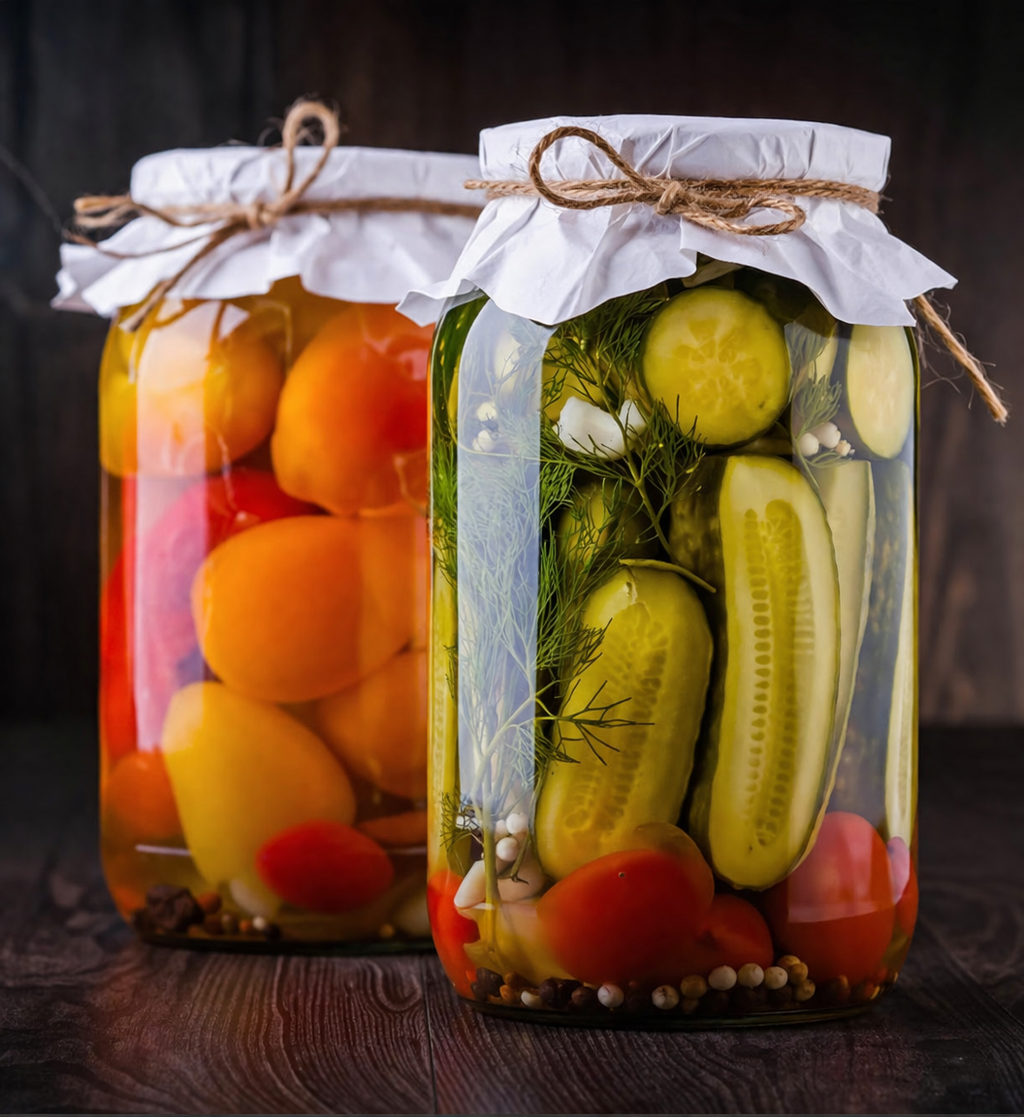
Next up: marinades. This is a method of soaking ingredients in vinegar or oil to infuse flavor — making it perfect for meal prep and everyday home cooking.
The Etymology & Origins of Marinade
The technique dates back to Renaissance-era Europe (roughly the 14th–16th centuries), when meat and fish were soaked in vinegar and spices to preserve them. Before refrigeration, it was an essential way to keep food fresh.

The French word mariné traces back to mare, meaning “sea,” and refers to submerging food in liquid. Across ancient Europe, soaking ingredients in vinegar, salt, and oil became a widespread preservation method. Today, refrigeration has made that unnecessary — but the rich flavor it creates has kept the technique alive and beloved.
How to Make It (Simple Version)
Toss vegetables or fish in vinegar, oil, and herbs, then refrigerate for a few hours or overnight. Unlike carpaccio, marinades take time — but the depth of flavor is worth it.
What Is Ceviche? | Peru’s Iconic Citrus-Cured Dish
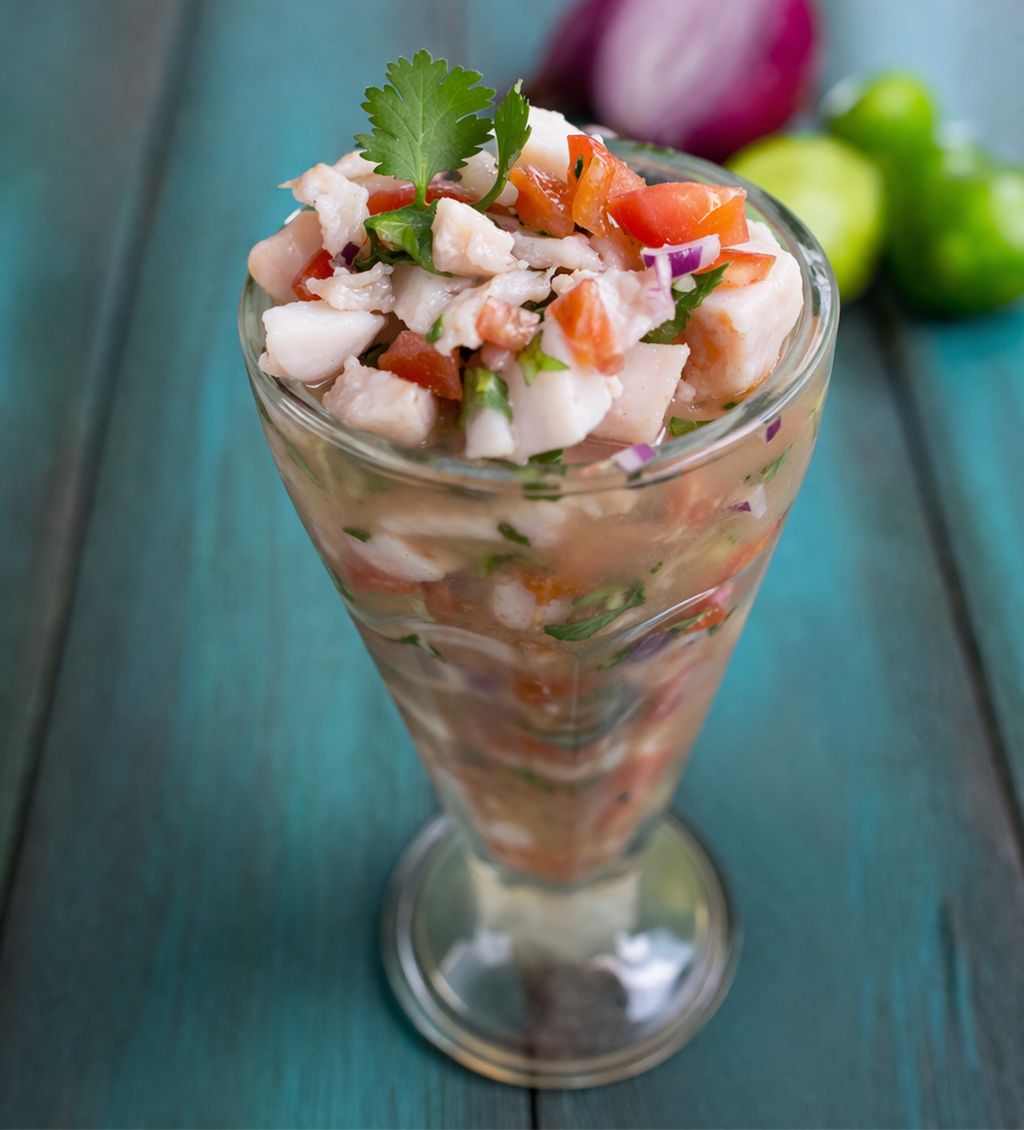
Last but not least: ceviche. It’s a South American dish where fish and seafood are “cooked” using the acid from lime or lemon juice — no heat required. Bright, tangy, and refreshing. The main ingredients are seafood, prepared entirely without fire.
The Etymology & Origins of Ceviche

The word “ceviche” has disputed origins, with some tracing it to the Spanish escabeche. What’s clear is that it originated in Peru, where people have been eating fish with acidic fruit juices since ancient times — eventually evolving into the lime-and-lemon version we know today. Remarkably, it’s believed to date back nearly 2,000 years to the Inca Empire, making it the oldest of the three dishes. Yet for many people outside South America, it’s still an unfamiliar name!
How to Make It (Simple Version)
Cut fish into bite-sized pieces and toss with lime or lemon juice and aromatic vegetables. The acid firms up the fish, giving it a texture almost like it’s been lightly cooked.
Ceviche vs. Marinade vs. Carpaccio: Comparison Table
| Category | Ceviche | Marinade | Carpaccio |
|---|---|---|---|
| Origin | Peru | Europe (preservation technique) | Italy (Venice) |
| Etymology | escabeche (disputed) | mare (sea) | Painter Vittore Carpaccio |
| Method | Acid-cured (semi-raw) | Soaked in liquid | Sliced and dressed |
| Heat | None (acid denatures protein) | None (soaking only) | None (fully raw) |
| Seasoning | Lime, lemon, aromatics | Vinegar, oil, herbs | Olive oil, salt, lemon |
| Texture | Slightly firm (like lightly cooked) | Soft and tender | Raw and fresh |
| Best for | Fresh & bright flavors | Make-ahead meals | Elegant simplicity |
To sum it up, here’s how these three dishes differ:
- Ceviche: A South American dish with bold acidity and a hint of spice — no cooking required
- Marinade: A European technique for soaking ingredients to build deep, layered flavor
- Carpaccio: An Italian dish of raw, thinly sliced ingredients with minimal dressing
New to all three? Start with carpaccio. Want something to prep ahead? Go for a marinade. Looking for something memorable and unique? Ceviche is your pick.